


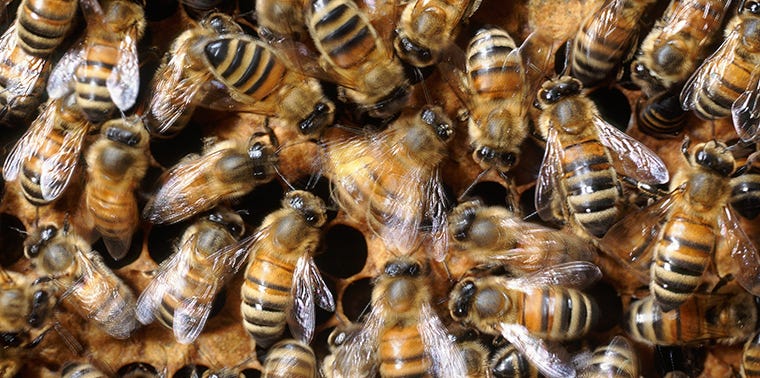
The session explored how decisions can actually form in organizations, using the “hive mind” instead of formal processes. Discussion opened by questioning whether human organizations can truly mirror bee colonies, given people’s needs for recognition and status. One view held that executive decisions are largely theatre — ratifying choices the organization has already made — while another separated “diagnosis” (idea generation, often distributed among invisible influencers) from “binding decision-making” (concentrated in accountable leaders who bear liability). A recurring tension was whether hive-style collective decisions dilute accountability and get silently sabotaged if the “collective consciousness” disagrees. The group distinguished leaders (who take responsibility) from influencers (who build buy-in), debating what motivates influencers — money, intrinsic belief, or organizational culture — and whether “leadership” is now corporate code for wanting influencers rather than executors, partly driven by AI replacing execution roles. The conversation closed on cognitive diversity and neurodiversity as strengtheners of collective intelligence, with debate over whether organizational tolerance and structured push-back are prerequisites for diverse ideas to thrive.


